Distinctive brand assets are the visual, verbal, and sensory elements that help people recognize a brand before they even read its name.
A color, a shape, a texture, a character, a pattern, a sound, or even a product detail can become a shortcut in the customer’s mind. When used consistently, these assets make the brand easier to notice, remember, and choose.
This article explores how a simple everyday object — a cucumber — can become the foundation for a recognizable brand world.
Exploring how a simple object can become memorable
This is not a finished brand identity or a commercial case. It is a visual exploration of how distinctive brand assets can work in practice.
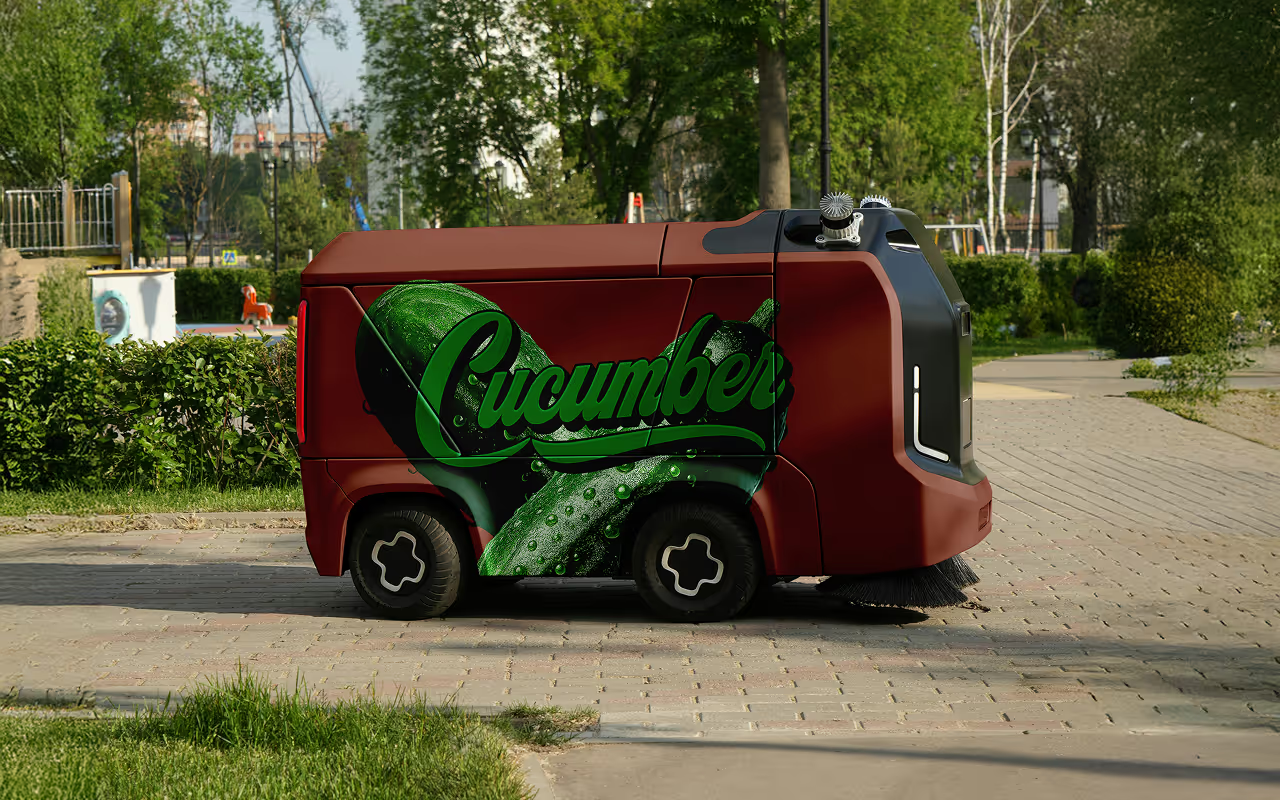
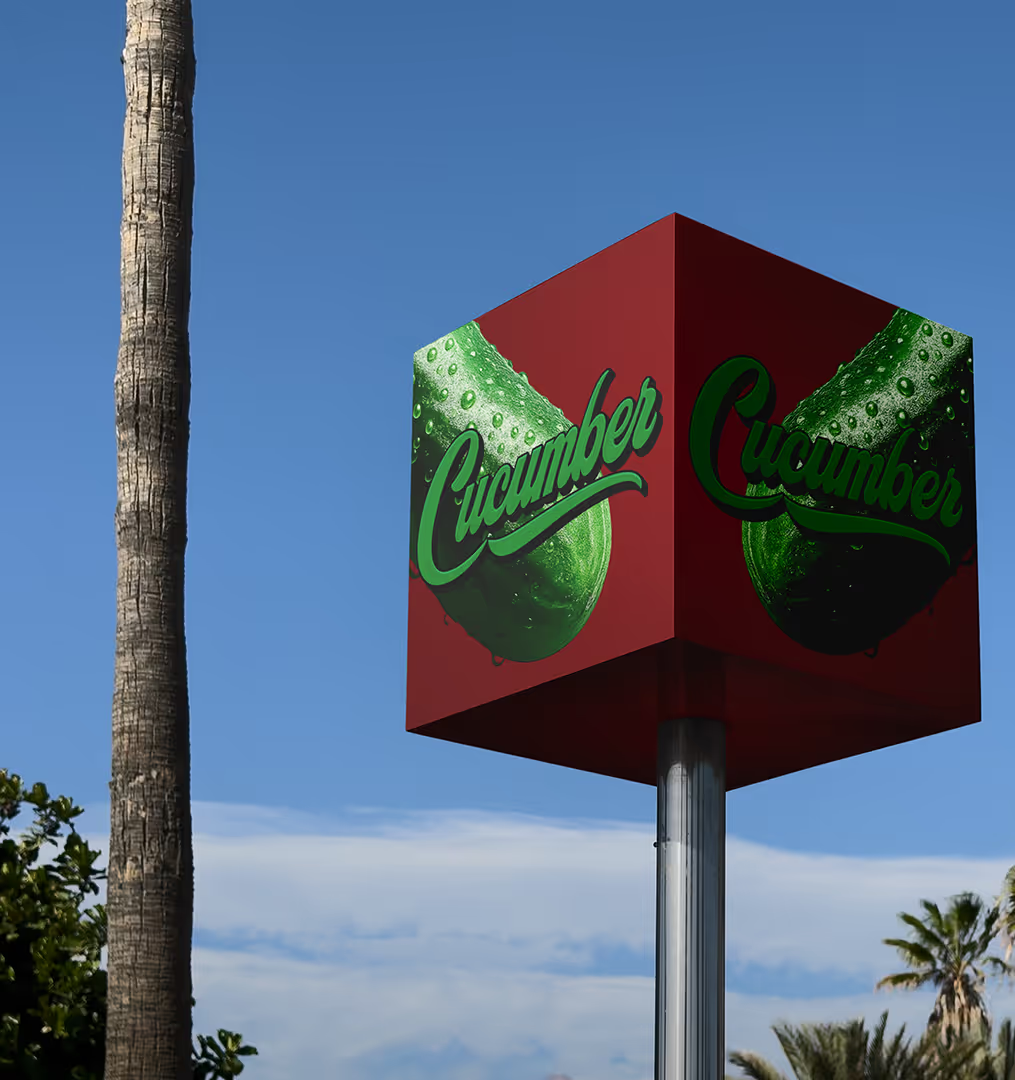
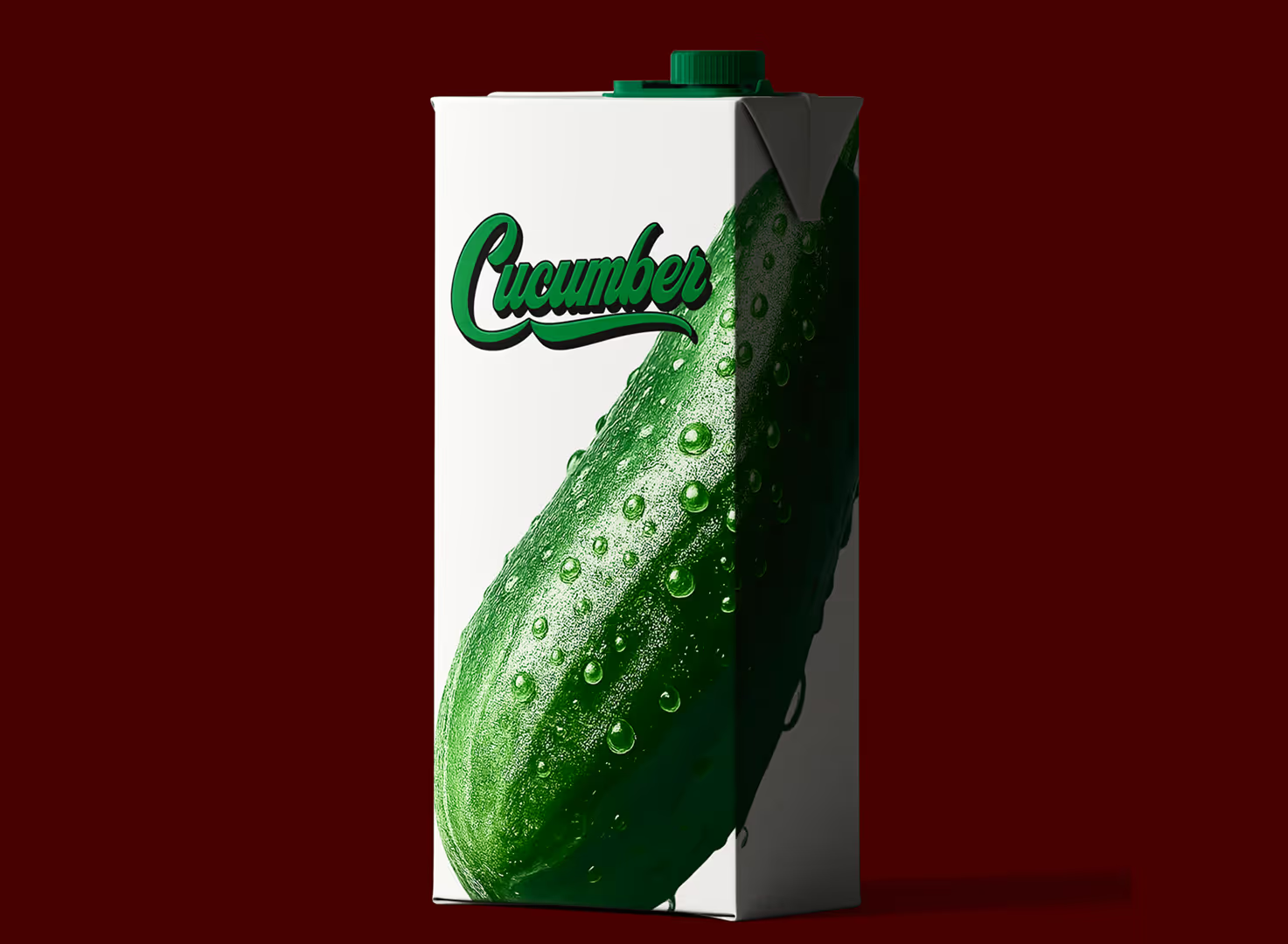
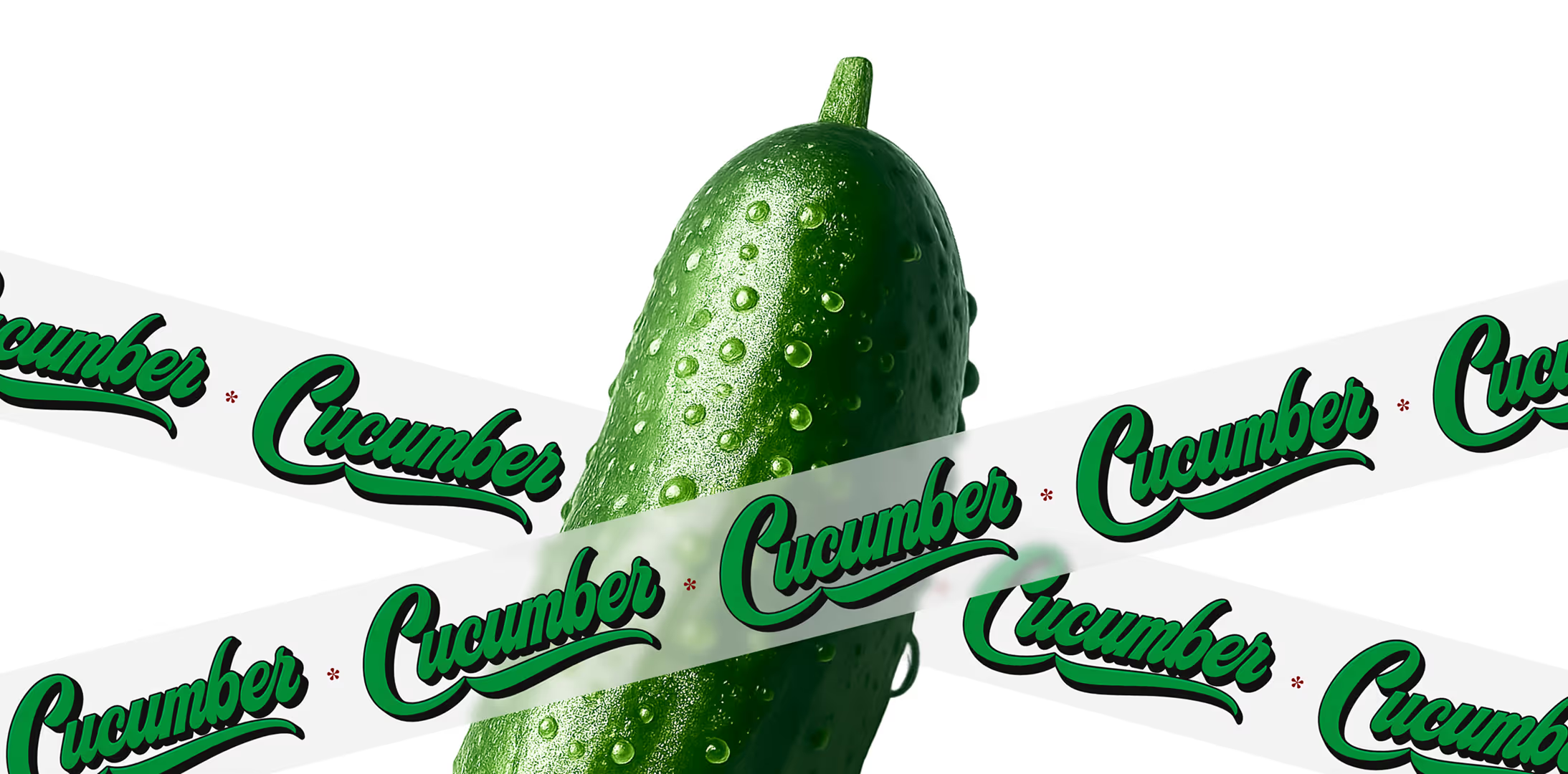
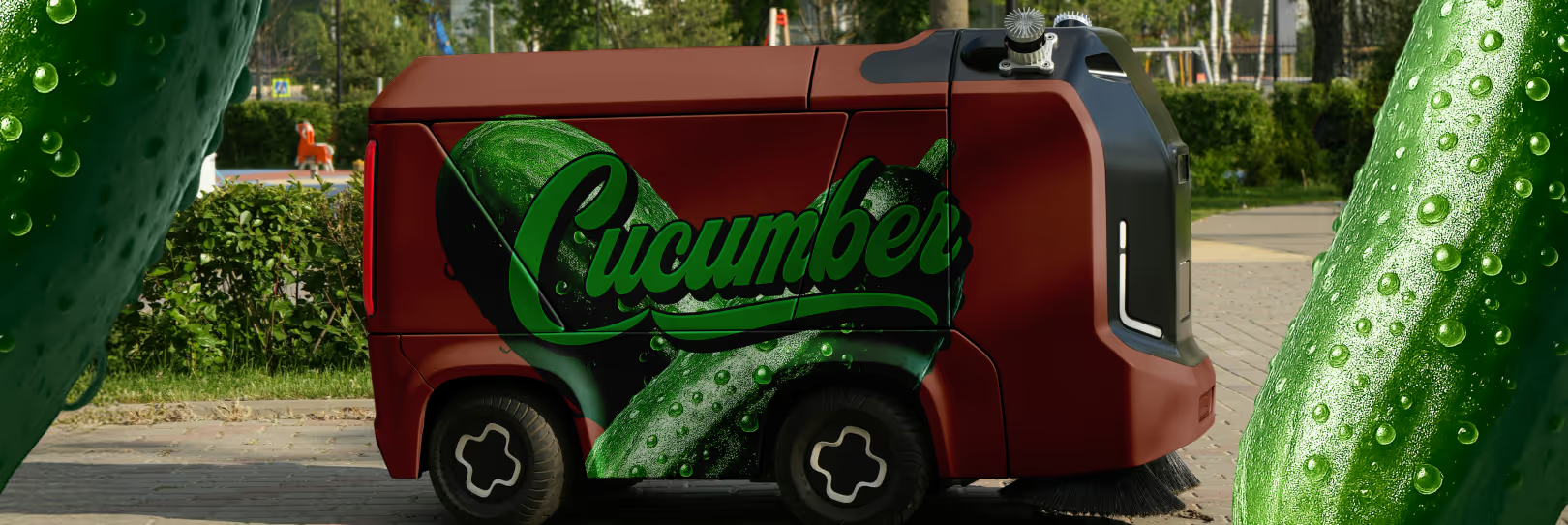
We took a very simple object — a cucumber — and used it as a starting point for a fictional brand direction. The goal was to show how one visual element can create recognition when it is used consistently across different formats.
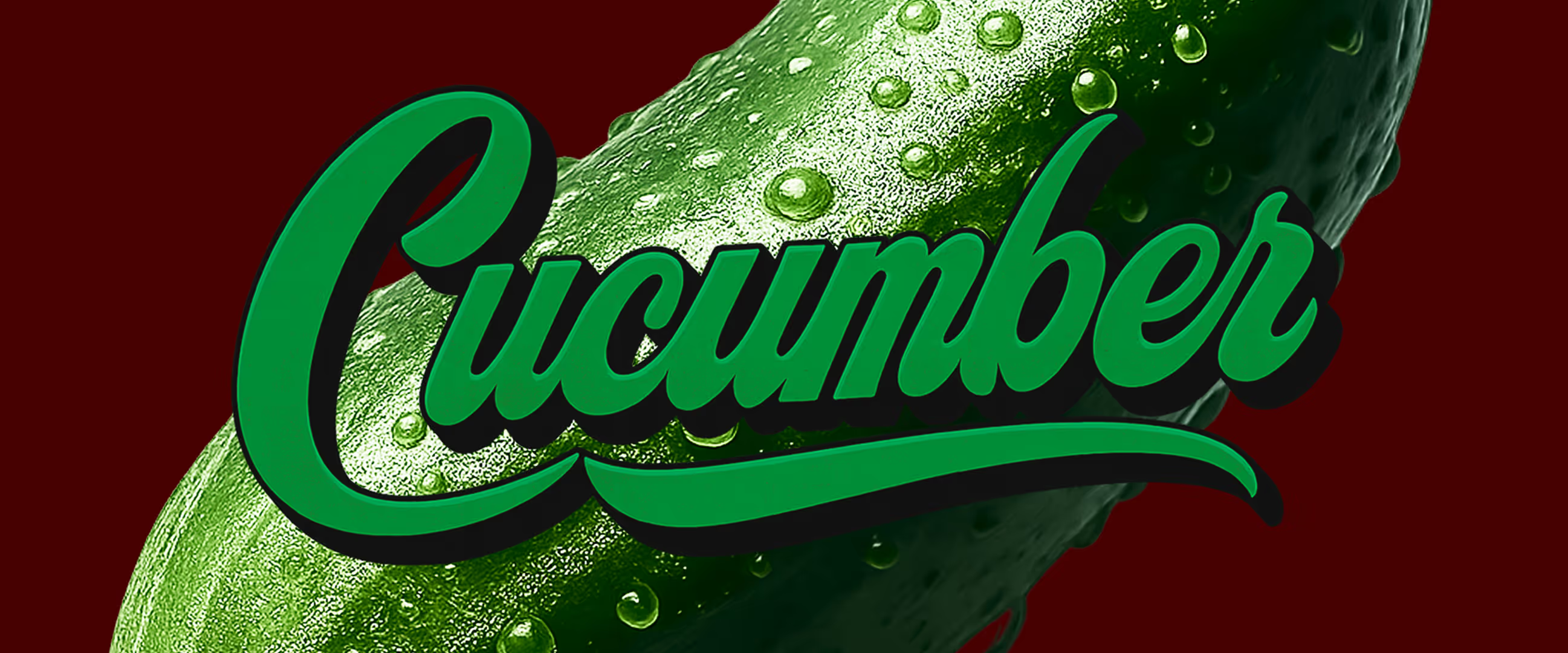
The cucumber gives us several strong assets at once: a fresh green color, a recognizable shape, a tactile texture, and a playful visual rhythm. From these elements, it becomes possible to build packaging, advertising, patterns, social visuals, and campaign materials that feel connected.
Recognition does not start with complexity
Many brands try to become memorable by adding more design: more typography, more graphics, more decoration, more messages. But recognition often starts with something much simpler.
A strong brand asset can be based on one clear visual idea. If that idea is easy to notice and flexible enough to repeat, it can become a foundation for the whole identity system. In this exploration, the cucumber works as that foundation. It is not used only as an illustration of a product. It becomes a visual code.
Shape can guide the composition.
Texture can become a background.
Color can define the atmosphere.
Repetition can create a pattern.
Its close-up details can become almost abstract.
This is how an ordinary object begins to act like a brand asset.